Malnutrition screening tools in hospitals: MUST, NRS-2002, SGA and GLIM compared
MUST and NRS-2002 screen for risk, SGA assesses nutritional status and GLIM diagnoses malnutrition. Here is how each works, how they compare, what the evidence says about accuracy, and why meal intake data matters to all of them.
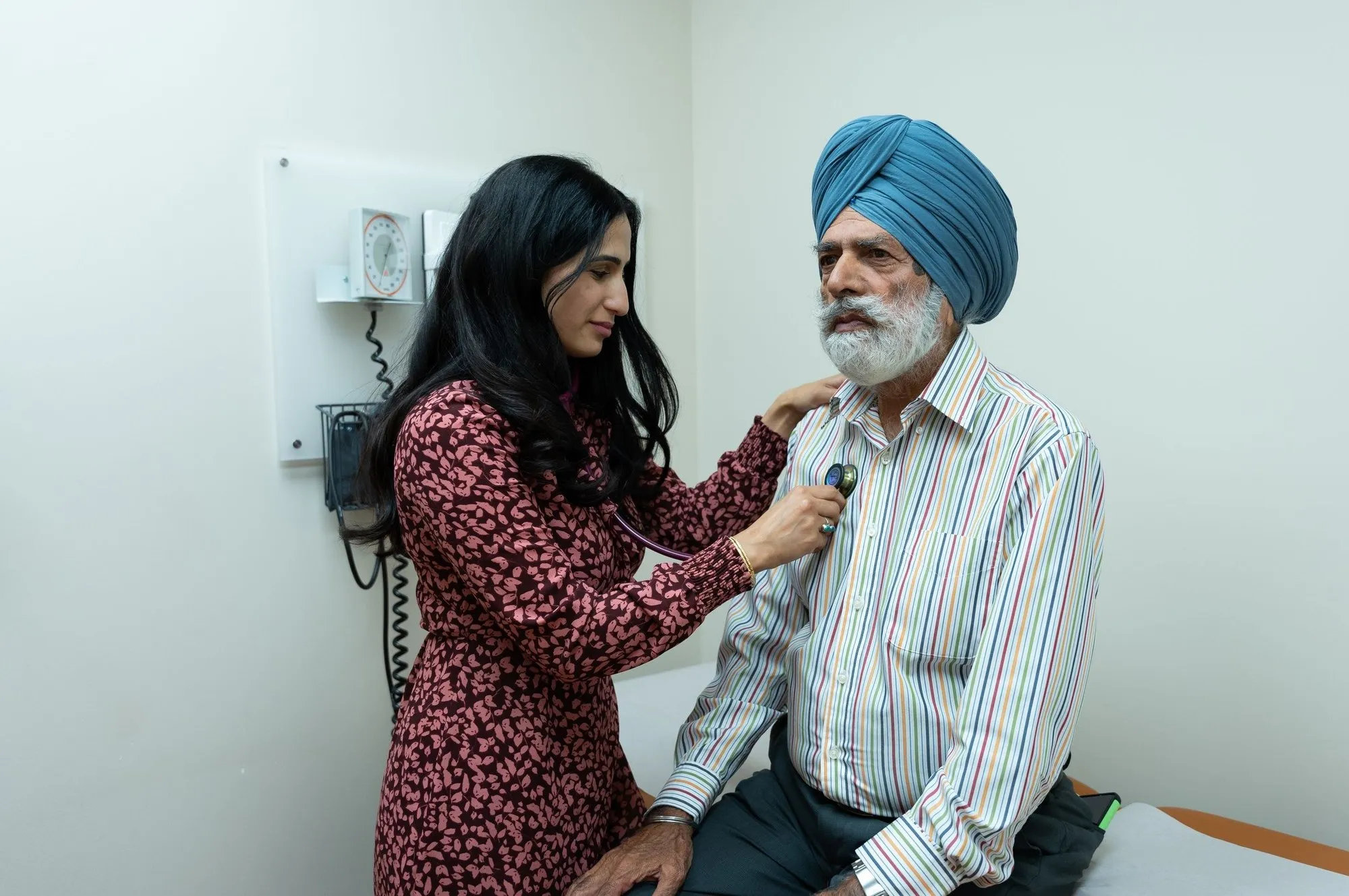
Malnutrition screening tools are short, validated checklists that flag which patients may be malnourished or at risk, so a dietitian knows whom to assess in full. MUST and NRS-2002 are screening tools, SGA is a structured bedside assessment, and GLIM is a set of criteria for diagnosing malnutrition after a positive screen. A typical hospital setup pairs one screening tool, used at every admission, with one assessment or diagnostic method for the patients it flags.
Screening, assessment and diagnosis are different steps
ASPEN’s practice tool separates three steps. Screening identifies patients who may be malnourished or at risk and decides whether they need a full assessment; ASPEN recommends doing it within 24 hours of admission. Assessment is the comprehensive look: medical, diet and medication history, a nutrition-focused physical examination, body measurements and lab data, usually written up in the dietitian’s ADIME note. Diagnosis applies those findings to a framework such as GLIM to name the malnutrition and its severity.
In India, the NABH 6th edition standards (standard COP.19) expect every admitted patient to be screened for nutritional risk and every patient found at risk to be assessed. The standard does not name a tool, so the choice is the hospital’s.
The stakes are real. The ESPEN guideline on hospital nutrition says malnutrition affects 30 to 50% of adults admitted to hospital. Indian studies point the same way:
- In a tertiary care hospital in Kolkata, Chakravarty and colleagues found 39.6% of 500 consecutive ICU admissions malnourished on a subjective global assessment.
- In a tertiary care hospital in South India, Mahadevan and colleagues screened 358 adult inpatients with MUST and found 11% at medium risk and 24% at high risk.
- In a nutritionDay study of 262 older adults in five urban private hospitals in India, Wright and colleagues found that malnutrition risk rose from 31% on admission to 44% during the stay, 28% ate half or less of their meal, and patients at risk were not offered additional nutrition support.
MUST: Malnutrition Universal Screening Tool
MUST was developed by the Malnutrition Advisory Group of BAPEN, the British Association for Parenteral and Enteral Nutrition. It is a five-step tool for adults in hospitals, the community and other care settings, and BAPEN says it can be used by all care workers.
| Step | What is scored | Score |
|---|---|---|
| 1. BMI | Over 20 (over 30 is obese) / 18.5 to 20 / under 18.5 | 0 / 1 / 2 |
| 2. Unplanned weight loss in the past 3 to 6 months | Under 5% / 5 to 10% / over 10% | 0 / 1 / 2 |
| 3. Acute disease effect | Acutely ill with no nutritional intake, or likely none, for more than 5 days | 2 |
| 4. Overall risk | Add the scores from steps 1 to 3 | 0 low, 1 medium, 2 or more high |
| 5. Management | Follow the care plan for the risk band and local policy |
For hospitals, BAPEN’s management guidance is weekly rescreening at low risk. At medium risk, staff observe and document dietary intake for three days. At high risk, the patient is referred to a dietitian or nutrition support team, or local policy is followed, with goals to improve intake. When height or weight cannot be measured, MUST allows recalled height, estimates from ulna length, knee height or demispan, and mid upper arm circumference to estimate the BMI category. BAPEN notes that MUST is for adults only and is not designed to detect vitamin or mineral deficiencies.
NRS-2002: Nutritional Risk Screening 2002
NRS-2002 was developed by an ESPEN working group led by Kondrup and colleagues, who built it from an analysis of 128 randomized trials of nutrition support. ESPEN’s 2002 screening guideline recommends it for hospitals, noting that MUST was primarily developed for the community and the Mini Nutritional Assessment (MNA) for older people.
NRS-2002 runs in two stages. The initial screen asks four questions: is BMI below 20.5, has the patient lost weight in the last three months, has intake dropped in the last week, and is the patient severely ill, for example in intensive care? If every answer is no, the patient is rescreened weekly. If any answer is yes, the final screen scores two things from 0 to 3:
- Impaired nutritional status: recent weight loss, BMI with impaired general condition, and food intake in the past week as a share of normal requirement.
- Severity of disease: from 1 for conditions such as hip fracture or a chronic disease with complications, through 2 for major abdominal surgery, stroke or severe pneumonia, to 3 for head injury, bone marrow transplantation or intensive care patients with an APACHE score over 10.
Add 1 if the patient is 70 or older. A total of 3 or more means the patient is nutritionally at risk and a nutritional care plan is started. Below 3, the patient is rescreened weekly.
SGA: Subjective Global Assessment
SGA was described by Detsky and colleagues in 1987. It combines a structured history with a physical examination. The history covers weight change over the past six months and the past two weeks, change in dietary intake, gastrointestinal symptoms, functional capacity and the underlying disease, as the Kolkata ICU study describes it. The examination looks for loss of subcutaneous fat, muscle wasting, and edema or ascites (Kroc and colleagues). The clinician then rates the patient A (well nourished), B (moderately malnourished) or C (severely malnourished). Some centers use a seven-point version.
In the original study of 202 patients before gastrointestinal surgery, interobserver agreement was high (kappa 0.78), and the authors concluded that SGA can be taught to residents and nurses. It still depends on training and clinical judgment, and ESPEN’s 2002 guideline described it as more complex than desired for rapid screening. That is why hospitals usually use SGA after a positive screen, and why researchers often use it as the reference standard. A version partly completed by the patient, PG-SGA, also exists.
GLIM criteria for diagnosing malnutrition
The Global Leadership Initiative on Malnutrition was convened in 2016 by the major clinical nutrition societies, with ASPEN, ESPEN, FELANPE and PENSA forming its core leadership, and published its criteria in 2019. GLIM is a two-step approach: screen with any validated tool, then assess for diagnosis and severity. A patient has malnutrition when they meet at least one phenotypic and one etiologic criterion.
| Criterion | Type | Threshold for adults |
|---|---|---|
| Non-volitional weight loss | Phenotypic | More than 5% within 6 months, or more than 10% beyond 6 months |
| Low BMI | Phenotypic | Under 20 if under 70 years, under 22 if 70 or older; in Asia, under 18.5 if under 70 and under 20 if 70 or older |
| Reduced muscle mass | Phenotypic | Measured by a validated body composition method |
| Reduced food intake or assimilation | Etiologic | 50% or less of energy requirement for more than a week, any reduction for more than two weeks, or a chronic gut condition that impairs absorption |
| Inflammation | Etiologic | Acute disease or injury, or chronic disease-related inflammation |
Severity is graded from the phenotypic criteria as stage 1 (moderate) or stage 2 (severe), and the etiologic criteria guide treatment. The Asian BMI cut-offs in the ESPEN GLIM fact sheet matter for Indian hospitals. The 2025 five-year update counts more than 400 validity and feasibility studies published between 2019 and 2024. It accepts calf or arm measurements, or a trained clinician’s assessment of muscle, where body composition scanners are not available, says laboratory confirmation of inflammation is not always necessary, and recommends that hospitals keep using their existing screening procedures.
MUST, NRS-2002, SGA and GLIM compared
| Tool | Type | What it looks at | Result | Where it fits |
|---|---|---|---|---|
| MUST | Screening | BMI, unplanned weight loss, acute disease effect | Low, medium or high risk | Any care setting, adults only, usable by all care workers |
| NRS-2002 | Screening | BMI, weight loss, recent intake, disease severity, age | At risk from a score of 3 | Hospital inpatients |
| SGA | Assessment | Structured history and physical examination | A, B or C | Trained clinicians after a positive screen; a common research reference |
| GLIM | Diagnosis | Phenotypic plus etiologic criteria | Malnutrition yes or no, stage 1 or 2 | After a positive screen with any validated tool |
ASPEN’s practice tool lists other validated screening tools as well, including the Malnutrition Screening Tool (MST), the Mini Nutritional Assessment Short Form (MNA-SF) for older adults, and SNAQ.
How accurate are malnutrition screening tools?
A 2024 systematic review and meta-analysis by Cortés-Aguilar and colleagues identified 51 different screening tools in 60 validation studies of hospitalized adults. Against SGA as the reference, MUST had a sensitivity of 0.84 and a specificity of 0.85, and NRS-2002 a sensitivity of 0.76 and a specificity of 0.86. Put simply, of every 100 patients that SGA rated malnourished, MUST flagged about 84 and NRS-2002 about 76. The authors concluded that MUST showed high accuracy, while cautioning that the quality of the included studies varied greatly.
Accuracy is only part of the choice. The right tool is the one your nurses and dietitians will complete for every admission, every time. It should fit your patient mix (MNA-SF for older adults, for example), cope with patients who cannot be weighed, and lead to a clear action for each result.
Every tool depends on knowing what patients eat
Look at the questions again. MUST’s medium-risk pathway asks the ward to document dietary intake for three days. NRS-2002 grades food intake in the past week as a share of requirement. SGA asks about change in intake, and GLIM makes reduced intake one of its two etiologic criteria.
ESPEN’s hospital guideline recommends monitoring intake with simple semi-quantitative methods at admission, at least weekly for patients not at risk, and daily for patients at risk or malnourished. For patients at risk, eating 50% or less of energy needs over three days should trigger a nutrition intervention. The same guideline cites nutritionDay data from 16,290 hospitalized adults worldwide, in which eating half or less of the lunch or dinner offered was independently associated with higher mortality. On paper, that evidence depends on someone noticing the tray at clearance and writing it down. Our guides to the clinical dietitian’s role and therapeutic diets cover what happens after a patient screens positive.
How MedMeals supports the screening workflow
MedMeals is not a malnutrition screening tool and does not calculate MUST, NRS-2002, SGA or GLIM scores. Screening and assessment stay with your nurses and dietitians, on the forms your hospital has chosen. What MedMeals adds is the meal-side record those tools rely on:
- Every patient’s full meal history stays on their record, from admission to discharge.
- Meal reports cover consumption and diet compliance, by ward, diet or period.
- Each menu item carries its nutrients, such as calories, protein, carbohydrates and sodium, so the dietitian can see what a meal contains.
- When an assessment changes the plan, for example to a high-protein diet your hospital has configured, the dietitian updates the diet, future orders follow it, and the kitchen and nursing get a real-time diet-change alert.
See how this supports dietitians, patient nutrition management and reports and analytics, or book a demo.
Sources
- BAPEN: Malnutrition Universal Screening Tool (MUST)
- Kondrup et al.: ESPEN guidelines for nutrition screening 2002 (Clinical Nutrition, 2003)
- Kondrup et al.: Nutritional risk screening (NRS 2002), a new method based on an analysis of controlled clinical trials (Clinical Nutrition, 2003)
- Detsky et al.: What is subjective global assessment of nutritional status? (JPEN, 1987)
- Kroc et al.: Comparison of NRS 2002 and Subjective Global Assessment form as short nutrition assessment tools in older hospitalized adults (Nutrients, 2021)
- Cederholm et al.: GLIM criteria for the diagnosis of malnutrition, a consensus report from the global clinical nutrition community (Clinical Nutrition, 2019)
- ESPEN fact sheet: GLIM criteria for the diagnosis of malnutrition
- Jensen, Cederholm et al.: GLIM consensus approach to diagnosis of malnutrition, a 5-year update (JPEN, 2025)
- ASPEN: Key nutrition screening, assessment, and malnutrition diagnostic processes and tools for adults
- Cortés-Aguilar et al.: Validity of nutrition screening tools for risk of malnutrition among hospitalized adult patients, a systematic review and meta-analysis (Clinical Nutrition, 2024)
- ESPEN guideline on hospital nutrition (Thibault et al., Clinical Nutrition, 2021)
- NABH Accreditation Standards for Hospitals, 6th edition (January 2025)
- Chakravarty et al.: Prevalence of malnutrition in a tertiary care hospital in India (Indian Journal of Critical Care Medicine, 2013)
- Mahadevan et al.: Nutritional risk screening in hospitalized adults using MUST at a tertiary care hospital in South India (Cureus, 2022)
- Wright et al.: Prevalence of malnutrition risk and poor food intake in older adults in Indian hospitals, a nutritionDay study (Nutrition and Dietetics, 2021)
This guide is general information for hospital teams and is not medical advice. Diets are prescribed and adjusted by the treating doctor or a qualified dietitian.