What a clinical dietitian does in hospital, and what software should take off their plate
Clinical dietitians screen and assess patients, plan therapeutic diets, monitor intake and counsel families. Here is the role in an Indian hospital, where the day actually goes, and which tasks a digital meal system should take off their plate.
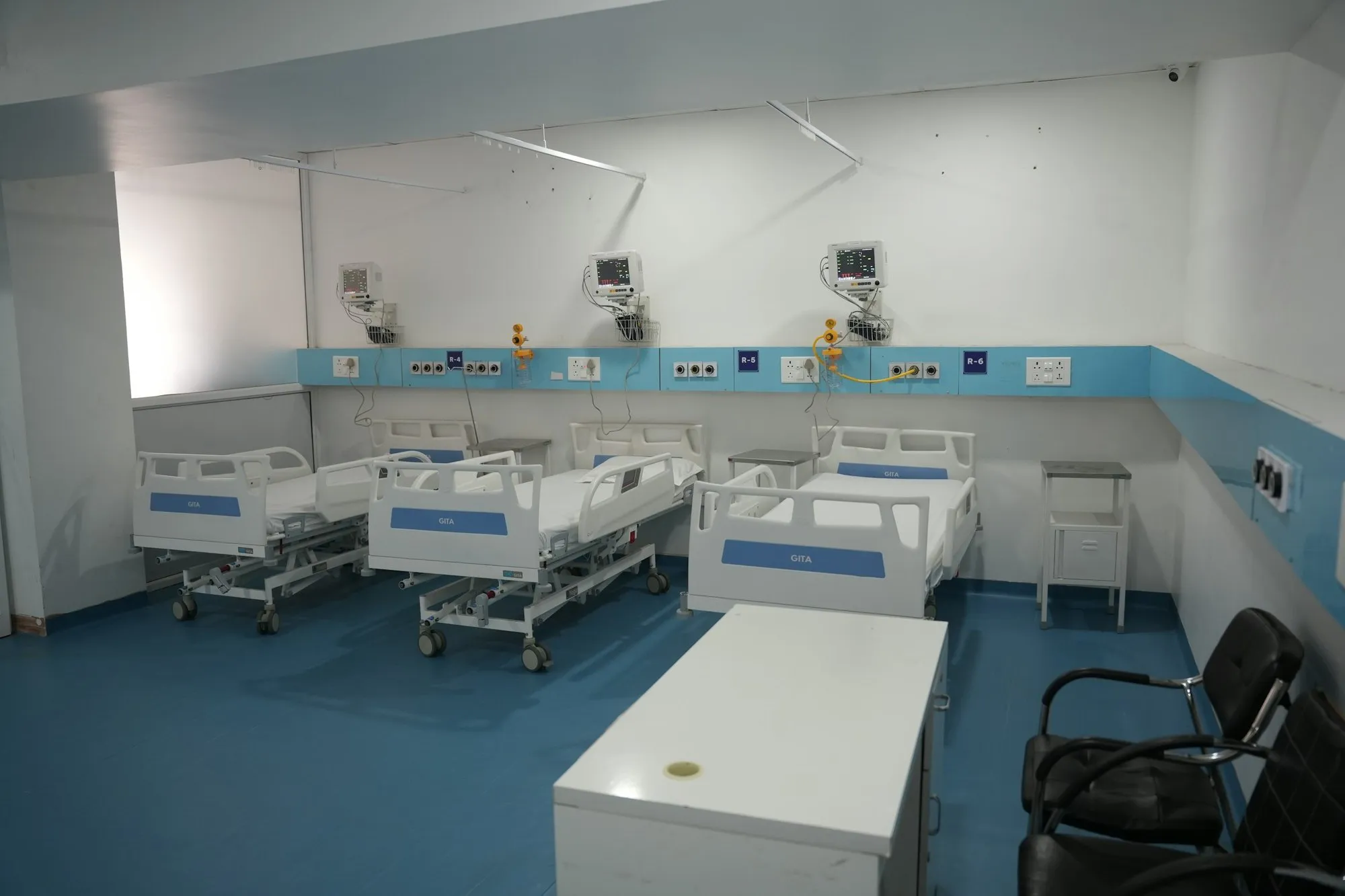
A clinical dietitian in a hospital screens and assesses patients’ nutrition, plans therapeutic diets with the treating doctor, monitors what patients actually eat, and counsels patients and families before discharge. They are also the link between the ward and the diet kitchen. The clinical judgment is theirs alone; the copying, checking and chasing that fills much of a paper-based day is the work software should take over.
What is a clinical dietitian?
The US Bureau of Labor Statistics’ Occupational Outlook Handbook describes clinical dietitians as professionals who provide medical nutrition therapy, building nutrition programs around each patient’s health needs, in hospitals, clinics and other institutions. The typical duties it lists are assessing nutritional and health needs, developing meal and nutrition plans, evaluating and monitoring the effects of those plans, counseling, and documenting progress.
In India, the National Commission for Allied and Healthcare Professions Act, 2021 recognizes “Nutrition Science Professional” as an allied and healthcare profession, covering dieticians (including clinical and food service dieticians) and nutritionists. The Indian Dietetic Association awards the Registered Dietitian (RD) credential by examination. Its eligibility rules call for a graduate degree with a nutrition focus, a postgraduate diploma or MSc in foods and nutrition, clinical nutrition or dietetics, and a six-month internship at an IDA-recognized hospital, or five years of full-time experience in a multispecialty hospital.
Some hospitals separate the clinical role from the food service role. NHS England’s national standards for healthcare food and drink describe food service dietitians as specialists in food and drink services who can be the main link between catering and clinical teams. Where a hospital has no separate food service dietitian, those duties fall to the clinical team.
How clinical dietitians work: the nutrition care process
The Academy of Nutrition and Dietetics describes this work as the Nutrition Care Process, which it adopted in 2003. It has four steps:
- Nutrition assessment: collecting the food and nutrition history, biochemical data, tests and procedures, body measurements, nutrition-focused physical findings and the patient’s history.
- Nutrition diagnosis: naming the specific nutrition problem the dietitian can treat.
- Nutrition intervention: choosing an action aimed at the root cause of that problem, such as a therapeutic diet, supplements, tube feeding or counseling.
- Nutrition monitoring and evaluation: checking whether the patient is reaching the planned goals, and changing course if not.
Dietitians often document these steps in an ADIME note (assessment, diagnosis, intervention, monitoring and evaluation), a format that directly parallels the process.
A clinical dietitian’s day in an Indian hospital
Every hospital is different, but a clinical dietitian’s day in a busy Indian hospital might look like this:
| Time | Work |
|---|---|
| 08:00 | Review new admissions, overnight diet changes and NPO orders for the day’s procedures |
| 08:30 | Screen new patients for nutritional risk and send breakfast corrections to the kitchen |
| 09:30 | Ward rounds with the treating teams: assess patients at risk, set or change diets, agree textures with the speech-language pathologist where there is one |
| 11:30 | Finalize each ward’s lunch diet list before the kitchen’s cut-off |
| 12:30 | Check trays for high-risk diets at the tray line and at the bedside |
| 14:30 | Counsel patients and attendees, and prepare discharge diet advice |
| 16:00 | Plan supplements and tube feeds, and write up ADIME notes |
| 17:00 | Send the dinner diet list, and review menus and recipes with the kitchen |
The clinical work sits in the middle of that day. The edges are lists, checks and messages.
Core responsibilities of a hospital dietitian
Screening and assessment
NABH’s 6th edition standards (standard COP.19) expect every admitted patient to be screened for nutritional risk and every patient at risk to be assessed. Nurses often run the screen at admission, and the dietitian assesses the patients it flags. Common choices are MUST or NRS-2002 for screening and SGA or the GLIM criteria for assessment and diagnosis; our guide to malnutrition screening tools compares them.
Planning therapeutic diets
NABH asks that the therapeutic diet be planned and provided collaboratively, and that patients receive food according to the written order for the diet. In practice, the treating doctor and the dietitian agree the therapeutic diet, and the dietitian turns it into something the kitchen can cook: a diet type, a texture, allergies and any limits, with menus built on a cycle menu. Our guide to therapeutic diets in hospitals covers the principles. For patients with swallowing difficulty, the dietitian works with the speech-language pathologist to set an IDDSI level for food and drinks, then makes sure the kitchen’s recipes pass IDDSI’s tests.
Monitoring intake and reviewing diets
The ESPEN guideline on hospital nutrition recommends reviewing each patient’s hospital diet every three to five days, monitoring food intake daily in patients at nutritional risk, and starting a nutrition intervention when a patient at risk eats 50% or less of their energy needs over three days. This review is where a dietitian’s time is best spent.
Indian data shows why it matters. In a nutritionDay study of older adults in five urban private hospitals in India, Wright and colleagues found that 28% ate half or less of their meal, and that patients at risk of malnutrition were not offered additional nutrition support. Intake is easiest to judge when someone notes what comes back on the tray, which ESPEN recognizes as a practical way to assess the portions a patient has eaten.
Nutrition support
When food alone cannot cover energy and protein needs, ESPEN points to oral nutritional supplements, enteral (tube) feeding or parenteral nutrition, depending on the stage of the disease. Dietitians plan these with the medical team; on Indian wards, tube feeds are often written as “RT feeds”, after the Ryle’s tube.
Counseling patients and attendees
Counseling is a core duty in the BLS description. In Indian hospitals it includes the attendees, the family members who stay with the patient, bring food from home and will cook after discharge. NABH expects families who provide food to be educated about the patient’s diet limitations.
Food service and the diet kitchen
Dietitians also shape the food itself: menus, standardized recipes, portion sizes and the hygiene of the diet kitchen. NHS England’s standards say menus should be planned jointly by food service dietitians and caterers, and that dietary coding of menu items should only be done by a registered dietitian qualified to review nutrition, allergen and ingredient data.
Where the day goes instead
On paper, a single diet order is copied several times before it reaches a tray: from the case sheet to the ward’s diet register, from the register to the kitchen’s diet list, and from the list to each patient’s diet card. Every copy is a chance for “renal” to become “regular”.
The evidence backs this up. In a one-month study at a private hospital in Islamabad, Khan and colleagues found 17 errors across 7,041 diets. Almost two-thirds were critical, about half happened while diet cards were being prepared, and about 70% were made by dietitians, who prepared the cards from a printed copy of each patient’s diet information. The authors point to earlier studies that reported fewer errors after diet card preparation was automated.
Around those copies sit the other drains on a dietitian’s day:
- Chasing changes. A patient goes NPO for a scan, moves ward or is discharged after the diet list has gone to the kitchen.
- Counting. Tallying diets per ward before every meal, so the kitchen knows how many of each to cook.
- Checking. Inspecting trays for allergens and wrong textures, because nothing upstream stopped them.
- Answering. Attendees asking whether the patient can eat the food they brought from home.
- Reporting. Pulling registers together for audits and quality reviews.
The work software should take off a dietitian’s plate
| Task | On paper | With a digital meal system |
|---|---|---|
| Recording the diet | Written in the case sheet, then copied to registers and slips | Set once on the patient’s record |
| Diet lists and diet cards | Compiled by hand before every meal | Generated per patient and meal slot |
| Allergy checks | Done by eye at the tray line | Unsafe items hidden from the patient’s menu |
| Diet changes | Phone calls to the kitchen and the ward | Future orders follow; kitchen and nursing alerted in real time |
| Menu variety | Rewritten every week | Multi-day diet cycles |
| Ward transfers | Diet sheet rewritten on the new ward | Diet profile moves with the patient |
| Evidence for reviews and audits | Registers and files | Meal history and reports on consumption and diet compliance |
What stays with the dietitian is everything that needs training: assessment, the nutrition diagnosis, the diet decision, counseling and follow-up. Software cannot sit with a patient who is not eating, and NHS England’s standards note that digital ordering does not replace the need for help at mealtimes.
How MedMeals helps clinical dietitians
MedMeals is built around the diet order. Patients are onboarded manually or through HIMS sync, with a dietitian assigned and the diet set up at admission. Dietitians maintain the hospital’s therapeutic diets in the therapeutics master, and each menu item carries its nutrients and the diets it suits, so every ordering channel shows a patient only what their diet allows, with allergies and intolerances hidden. Diet changes made on rounds apply to future orders and send real-time alerts to the kitchen and nursing, and the diet profile follows the patient through bed and ward transfers. The kitchen receives daily meal cards and KOTs that name the diet. Meal reports on consumption and diet compliance, and each patient’s full meal history, give the dietitian the evidence for the next review.
See MedMeals for dietitians, diet management and IPD patient management, or book a demo and bring your diet list.
Sources
- US Bureau of Labor Statistics: Dietitians and nutritionists, Occupational Outlook Handbook
- Academy of Nutrition and Dietetics: The Nutrition Care Process
- Academy of Nutrition and Dietetics: Nutrition Care Process Terminology FAQs
- The National Commission for Allied and Healthcare Professions Act, 2021 (India)
- Indian Dietetic Association: RD exam eligibility
- NABH Accreditation Standards for Hospitals, 6th edition (January 2025)
- ESPEN guideline on hospital nutrition (Thibault et al., Clinical Nutrition, 2021)
- NHS England: National standards for healthcare food and drink (November 2022)
- Khan et al.: The importance of human factors in therapeutic dietary errors of a hospital, a mixed-methods study (PLoS One, 2022)
- Wright et al.: Prevalence of malnutrition risk and poor food intake in older adults in Indian hospitals, a nutritionDay study (Nutrition and Dietetics, 2021)
This guide is general information for hospital teams and is not medical advice. Diets are prescribed and adjusted by the treating doctor or a qualified dietitian.