Types of hospital diets: a practical guide by consistency and purpose
Hospital diets change either consistency or nutrients. This guide explains regular, clear liquid, full liquid, soft, mechanical soft, pureed and NPO orders, the common therapeutic diets and how diets progress, with comparison tables.
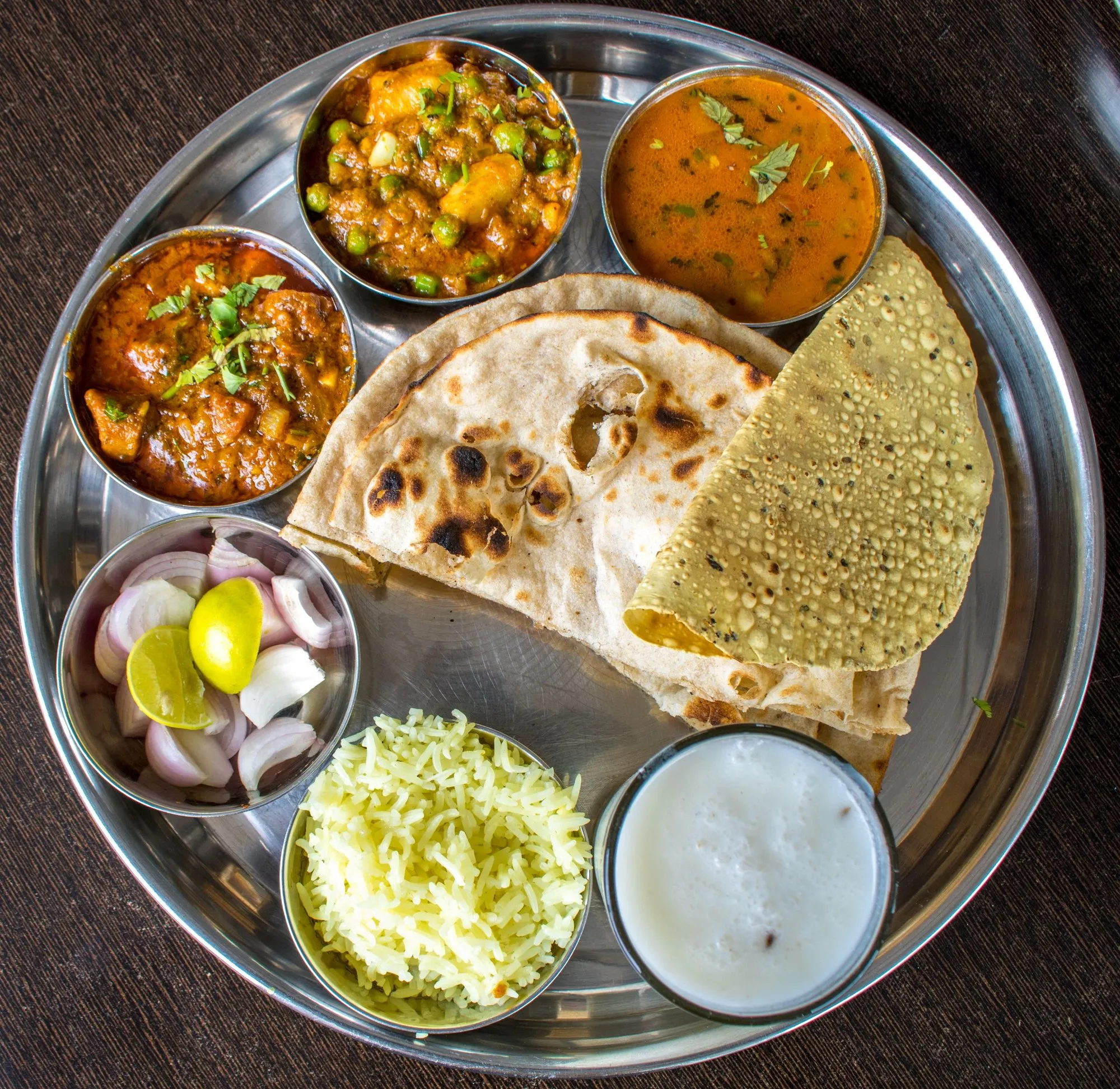
Hospital diets fall into two groups. Routine diets change consistency or texture: regular, clear liquid, full liquid, soft, mechanical soft and pureed, plus NPO, which means nothing by mouth. Therapeutic diets change nutrients, as renal, low-sodium and consistent carbohydrate diets do, and the treating doctor or dietitian chooses and reviews each patient’s diet as their condition changes.
Diet in hospital: routine and therapeutic diets
Routine hospital diets are the consistency-based diets a kitchen serves every day. They change how food is prepared, not what it contains, so one menu can be adapted into several consistencies. Therapeutic diets change the nutrients themselves and are prescribed for a condition. Our guide to therapeutic diets in hospitals covers the principles behind them.
The ESPEN guideline on hospital nutrition recommends that every hospital keep a list of its available diets visible to both patients and staff. It recommends at least two regular diets, a standard diet for patients at low nutritional risk and a protein- and energy-enriched hospital diet for older patients and those at risk, plus at least two additional diets chosen to fit the hospital’s size and patients. In many Indian hospitals that list lives on the ward’s diet sheet. Names such as “soft” and “semi-solid” are not standardized, so the same label can mean different food in two hospitals, or on two floors of one. Clear definitions matter as much as the diets themselves.
Types of hospital diets compared
| Diet | What it includes | Why it is ordered | Watch for |
|---|---|---|---|
| Regular (normal or house) | The standard menu, no restrictions | No medical reason to change food | Patients at nutritional risk may need the enriched hospital diet |
| Clear liquid | Clear fluids and foods clear at room temperature: water, pulp-free juice, clear soup, tea without milk, gelatin | Before some tests and procedures, after bowel surgery, vomiting, acute pancreatitis | Short-term only, not nutritionally complete |
| Full liquid | All liquids and foods that turn liquid at room temperature: milk, buttermilk, strained soups, custard, ice cream, oral supplements | A step up from clear liquids, around some procedures, trouble chewing | Low in fiber, may lack vitamins and minerals |
| Soft | Soft, moist, easy-to-chew food: khichdi, idli, curd rice, well-cooked dal and vegetables | Restarting food after liquids, difficulty chewing hard foods | “Soft” means different things in different hospitals |
| Mechanical soft | Regular foods chopped, ground or minced so they need little chewing | Poor or absent teeth, some swallowing difficulty | Not a dysphagia level unless tested against IDDSI |
| Pureed | Smooth, lump-free food, spoon-thick like baby food | Swallowing difficulty (dysphagia) | Often lower in energy; test to IDDSI Level 4 |
| NPO | Nothing by mouth, mouth care only | Around surgery and procedures, severe vomiting, some changes in mental status | Keep it short and give it an end point |
Regular diet
The regular diet, also called the normal or house diet, is the hospital’s standard menu. ESPEN recommends the standard diet for patients at low nutritional risk who need no special diet, and a review after three to five days, with a switch to the enriched hospital diet if the patient becomes at risk.
Clear liquid diet
A clear liquid diet contains only clear fluids and foods that are clear at room temperature: water, pulp-free juice, clear soup, tea or coffee without milk, gelatin and ice pops, according to MedlinePlus. It is used before some tests, procedures and surgeries, after stomach or bowel surgery, and during acute pancreatitis or vomiting. StatPearls adds that it leaves no residue in the gut, is meant for short-term use to maintain hydration and electrolyte balance, and that even “pulp-free” orange juice does not count as clear. MedlinePlus advises that healthy people should not follow it for more than three to four days. In an Indian kitchen, strained clear soup and tea without milk are the usual options; milk, curd, buttermilk and dal are not clear liquids.
Full liquid diet
A full liquid diet adds everything that is liquid or turns liquid at room temperature: milk, strained cream soups, custard, pudding, ice cream and oral nutrition supplements, according to MedlinePlus. In Indian kitchens that also means buttermilk, lassi and strained soups. It is a step between clear liquids and solid food, and is also used around some procedures and for people who have trouble chewing. MedlinePlus notes that it can supply enough energy, protein and fat but not enough fiber, and may fall short on vitamins and minerals.
Liquid does not mean easy to swallow. Thin liquids flow fastest, which is why IDDSI grades drinks from thin to extremely thick, and why a patient with a swallowing problem needs a speech-language pathologist’s advice on drink thickness.
Soft diet
A soft diet is made of soft, moist, easy-to-chew food. In an Indian hospital a soft menu might include khichdi, idli, dalia, curd rice, well-cooked dal and vegetables. The term is loose. Some hospitals use “soft” for a gentle, low-fiber diet for the gut, others for an easy-to-chew diet. ESPEN’s guidance for restarting food after mild acute pancreatitis calls for a low-fat, soft oral diet, and after gastrointestinal bleeding a liquid diet is usually followed by a soft one. For patients who find hard or chewy foods difficult, IDDSI’s Level 7 Easy to Chew gives a testable definition: everyday soft, tender foods without hard, tough, chewy, fibrous, stringy, crunchy or crumbly bits, pips, seeds, husks or bones (IDDSI detailed definitions).
Mechanical soft diet
A mechanical soft diet keeps regular foods but changes their form: chopped, ground or minced so they break apart without a knife and need little chewing. The Open RN nursing textbook lists soft cheese, ground meat, baked fish, cooked vegetables and fruit as examples, for patients with poor or absent teeth or dysphagia. The IDDSI United States reference group cautions that the older “mechanically altered” dysphagia level does not map neatly onto IDDSI Level 5 or 6, because it had no rigorous testing methods. A mechanical soft menu used for swallowing problems should be tested against IDDSI.
Pureed diet
A pureed diet is smooth and lump-free, with the spoon-thick consistency of baby food. IDDSI’s Level 4 Pureed is the testable version: it holds its shape on a spoon, slides off when the spoon is tilted, is not sticky, and does not separate into liquid and solid. Khichdi or dal and rice blended smooth is a common Indian base, but starchy purees can turn sticky, which IDDSI’s spoon tilt test is designed to catch. ESPEN warns that texture-modified diets often provide less energy, partly because bread and many dishes drop off the menu, so they often need fortifying. Our guide to IDDSI levels covers every level and its test.
NPO
NPO, from the Latin nil per os, means nothing by mouth. Open RN lists its common uses: before and after surgery or procedures, when the bowel is not moving, during severe nausea or vomiting, and with some changes in mental status, and it stresses mouth care while a patient is NPO. Modern practice keeps NPO short. ESPEN’s 2025 surgery guideline calls for avoiding long periods of preoperative fasting and restarting oral feeding as early as possible after surgery, and ESPEN’s hospital guideline recommends a return to the standard diet after an uncomplicated endoscopy once the sedation has worn off. The anesthetist and surgeon set the timings. The ward’s job is to make sure every NPO order has an end, and that the kitchen knows when it comes.
Common therapeutic diets in hospitals
| Diet | What changes | Typical use |
|---|---|---|
| Consistent carbohydrate, often called “diabetic” | Similar carbohydrate at each meal | Diabetes |
| Renal | Protein, sodium, potassium and phosphate matched to the stage of kidney disease | Chronic kidney disease |
| Low sodium, often called “cardiac” | Less salt; cardiac diets may also limit fat | Heart failure, hypertension, cirrhosis with fluid retention |
| Bland | Soft, not spicy, low in fiber | Ulcer or reflux symptoms, nausea, after stomach surgery |
| Low fiber (low residue) | Limits fiber | Colonoscopy preparation, some bowel conditions |
| High protein, high energy | More energy and protein in the same portions | Malnutrition or risk of it |
| Gluten-free | Removes gluten | Diagnosed celiac disease |
Two cautions from the evidence. First, ESPEN advises against low-carbohydrate diets for inpatients with diabetes, and against very strict salt restriction in chronic heart, kidney or liver disease, because both reduce intake and raise the risk of malnutrition. Second, “low residue” is falling out of use. StatPearls notes that the Academy of Nutrition and Dietetics removed the low-residue diet from its Nutrition Care Manual in 2015 because residue has no accepted definition, and many protocols now restrict fiber instead. For colonoscopy preparation, ESPEN recommends a low-fiber diet on the day before the procedure only.
How diets progress during a hospital stay
Many hospitals still advance diets along a fixed ladder: NPO, then clear liquids, full liquids, soft and regular. Open RN describes clear liquids as the first step after surgery as the bowel recovers, with full liquids next. The evidence now supports faster, individual steps. ESPEN’s surgery guidance, as quoted in its hospital guideline, states that oral intake, including clear liquids, should start within hours after surgery in most patients, and a 2026 review of the updated recommendations reports that early oral intake within 24 hours is safe across gastrointestinal surgeries. After upper gastrointestinal bleeding, ESPEN recommends starting with liquids and advancing to a standard or hospital diet within 24 hours, depending on nutritional risk.
The treating team decides each step. For the kitchen, each step is a new diet order that has to arrive before the next meal’s cut-off.
Keep diet names consistent
Consistent names are a safety measure. ESPEN recommends a visible list of available diets. The French dietetic and clinical nutrition societies, AFDN and SFNCM, recommend adapting food textures according to IDDSI. The IDDSI United States reference group advises mapping every existing diet name to an IDDSI level and confirming it with IDDSI’s tests, since each organization decides which levels it will offer. In India, NABH’s 6th edition standards add that patients should receive food according to the written diet order, and that families who bring food should be told about the patient’s diet limitations.
How a digital system like MedMeals helps
MedMeals holds your diet list in its masters: custom diet labels, meal types and food categories, named the way your hospital names them, including IDDSI levels. Your dietitians configure therapeutic diets such as renal, cardiac, diabetic and liquid, and each menu item carries its nutrients and the diets it suits. A patient’s menu then shows only what their diet allows, with their allergies and intolerances hidden. Staff can update a diet or hold meals from the patient’s record, for example while the patient is NPO. When a diet changes on rounds, future orders follow it and the kitchen and nursing teams get a real-time diet-change alert. Meal cards and KOTs name the diet on every tray, and meal reports show meals served by ward, diet or period, along with consumption and diet compliance.
See diet management, IPD patient management and kitchen management, or book a demo to see your own diet list mapped into MedMeals.
Sources
- MedlinePlus: Clear liquid diet
- MedlinePlus: Full liquid diet
- Daley and Sharma: Therapeutic diets for the management of gastrointestinal conditions and preoperative and postoperative care (StatPearls, 2025)
- Open RN: Nursing Fundamentals 2e, 14.3 Applying the nursing process (commonly prescribed special diets)
- ESPEN guideline on hospital nutrition (Thibault et al., Clinical Nutrition, 2021)
- Weimann et al.: ESPEN guideline on clinical nutrition in surgery, update 2025 (Clinical Nutrition)
- Strobel et al.: Updated recommendations for medical nutrition in the perioperative period, a focus on early oral intake (Current Opinion in Clinical Nutrition and Metabolic Care, 2026)
- IDDSI: Complete IDDSI Framework detailed definitions, version 2.2 (2026)
- IDDSI United States Reference Group: How to ease IDDSI implementation (March 2025)
- Guidelines on standard and therapeutic diets for adults in hospitals by AFDN and SFNCM (Vaillant et al., Nutrients, 2021)
- NABH Accreditation Standards for Hospitals, 6th edition (January 2025)
This guide is general information for hospital teams and is not medical advice. Diets are prescribed and adjusted by the treating doctor or a qualified dietitian.