Hospital canteen management: running attendee and staff dining without the chaos
An Indian hospital canteen feeds three very different groups: families staying with patients, day visitors, and staff on every shift. Here is how to run it well, from menus and hygiene to queues, cash and digital ordering.
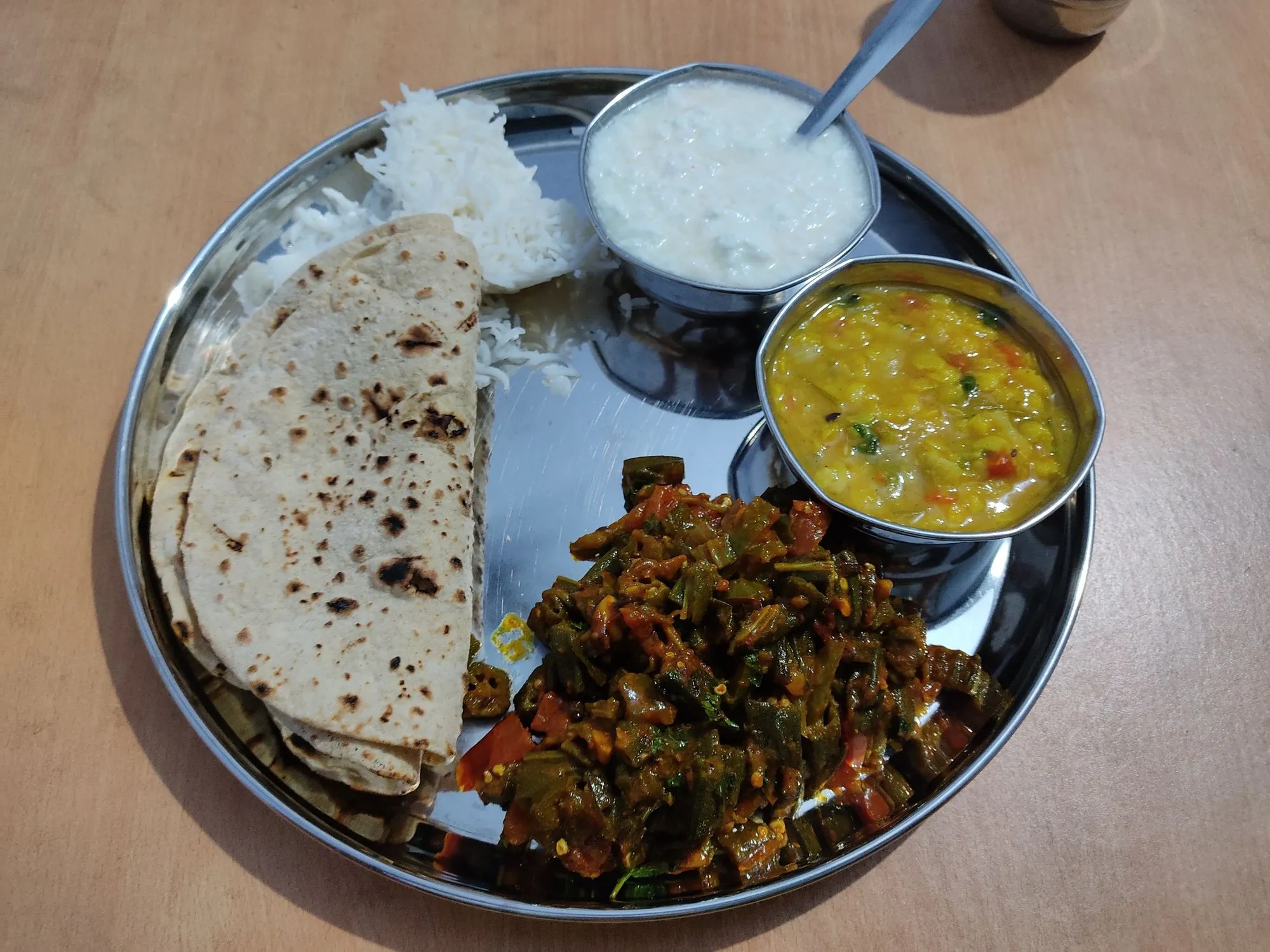
Hospital canteen management is running the food service for everyone in a hospital who is not an inpatient on a prescribed diet: attendees staying with patients, visitors and outpatients, and doctors, nurses and support staff on every shift. Done well, it means safe food at fair prices, short queues, clean cash handling and sales that reconcile. In Indian hospitals, family members who stay with patients for days may need every meal on site, so the canteen has to reach into the wards, not just wait at a counter.
Who a hospital canteen serves
A hospital canteen is really three businesses sharing one kitchen:
| Group | When they eat | What they need | Common payment options |
|---|---|---|---|
| Attendees | Every meal and tea, often for days | Affordable, familiar food, and a way to order without leaving the patient for long | Cash or UPI at the counter, or charges added to the patient’s bill |
| Visitors and outpatients | Visiting hours and clinic peaks | Tea, water, snacks and simple meals, fast | Cash, UPI or card |
| Staff | Across every shift, including nights | Quick, healthy meals and something hot in the small hours | Pay per meal, or meals charged to a department |
Inpatients should not be canteen customers. Their food comes from the diet kitchen against a diet order, and keeping the two apart is the first rule of running a hospital canteen.
The attendee group can be large. AIIMS New Delhi’s citizen charter, for example, says every inpatient is provided with two attendant passes, and that attendants who need a place to stay can use rest houses near the campus for a charge. At a hospital that issues two passes per inpatient, the attendee population can be larger than the patient population.
Nor is the canteen a side business. NHS England’s national standards for healthcare food and drink note that over half of all food provided in NHS hospitals is served to staff and visitors, whose needs can be quite different from those of patients.
The attendee problem, and how to solve it
An attendee is a family member or caretaker who stays with a patient. Their needs shape the canteen more than any other group:
- They cannot leave the bedside for long. Every minute in the lunch queue is a minute the patient is alone.
- Their food drifts into the patient’s diet. A sweet from the counter for a diabetic patient, a salty snack for a cardiac patient. NABH’s standards expect patients and families to be educated about diet and nutrition, and the canteen counter is where that education meets reality.
- Their bills get messy. Verbal credit against “bed 14”, paper chits and disputes at discharge.
What works:
- Order from the ward. Let attendees order on their phones and pay by UPI or card, then collect at a given time or receive the meal on the ward where the hospital allows delivery. This is what attendee meal ordering is built for.
- Keep menus separate. Attendees order from their own priced menu, never from the patient’s therapeutic menu.
- Link every order to the patient. Each attendee order carries the patient’s bed or UHID, so a charge added to the final bill can be reconciled at discharge.
- Tell families what the patient cannot eat. A short, clear diet note at admission, repeated when the diet changes, keeps the canteen from undoing the diet kitchen’s work.
Staff dining around the clock
Hospitals never close, and neither does staff hunger. NHS England’s standards require NHS organizations to demonstrate suitable 24/7 food service provision, and state that staff should be able to access healthy, balanced, hot and cold food options 24/7. Indian hospitals run the same night shifts, and the options are similar:
- A night counter with a short hot menu.
- Pre-ordered meals delivered to the nursing station at a fixed time.
- Vending or grab-and-go shelves with fresh items, restocked before the night shift.
- Fixed-price staff combos that are quick to serve at shift change.
Decide the money rules up front: whether staff pay per meal, whether duty meals are charged to a department, and whether any subsidy applies. If the hospital wants healthier defaults, FSSAI’s Eat Right Campus certification is a useful benchmark. In February 2024 FSSAI announced that more than 500 hospitals had been certified, after audits on parameters that include food safety, the provision of healthy food and awareness about food choices.
Menus and pricing
A hospital canteen menu works best in three layers:
- A core list that rarely changes: tea, coffee, water, fruit, biscuits, and quick breakfast items such as idli, poha and upma.
- A thali or meal plate at lunch and dinner, which is filling, predictable and fast to serve.
- A rotating daily special, planned on a cycle so the kitchen can buy and prep ahead. The method is the same as in our guide to planning a hospital cycle menu.
Publish prices clearly, mark vegetarian and non-vegetarian items, and keep healthier options (curd, buttermilk, fruit, a less oily sabzi) at the front of the counter. If a contractor runs the canteen, agree the rate list with the hospital and write down how prices can change.
Hygiene and food safety in a hospital canteen
A hospital canteen sits beside wards full of vulnerable patients, so its hygiene standard should match the hospital’s, not the street’s. The basics come from FSSAI:
- License. Under FSSAI’s licensing and registration regulations, no one may run a food business without a registration or license, and the hygiene schedule for catering and food service names canteens in institutions and hospital catering.
- People. Food handlers should be medically examined once a year, with records signed by a registered medical practitioner. A trained Food Safety Supervisor trains and supervises the other food handlers, with onsite training at least quarterly and records kept.
- Records. FSSAI’s general requirements ask for records of preparation, storage, service, cleaning and sanitation, and pest control, kept for at least a year.
- Waste. Kayakalp, the health ministry’s cleanliness program for public facilities, checks that kitchen waste is collected separately and not mixed with biomedical waste. The same rule belongs in every canteen on a hospital campus.
For the full list, see our NABH checklist for hospital kitchens, whose hygiene section applies to the canteen as much as to the diet kitchen.
Queues, cash and leakage
Canteen chaos has predictable peaks: after morning rounds, at lunch, during visiting hours and at shift change. Plan for them:
- Order ahead. Let people order from their phones or from the ward before they come down.
- Split the counter. Separate ordering, payment and pickup, and show order numbers on a screen.
- Use combos at peak times. Fewer decisions at the counter means faster service.
- Go digital on payment. UPI and cards leave a record for every sale and take counting out of the cash box. Cash stays, but it should be the exception.
- Put every sale on an order. A sale that never became an order or a kitchen order ticket is a sale nobody can reconcile.
- Reconcile daily. Match orders to payments every day, and chase outstanding bed-linked charges before discharge, not after.
NHS England’s standards describe the same shift in hospital retail: online ordering, self-checkouts, contactless payment, delivery and pick-up, stock management and point-of-sale systems, because people want to order in advance and collect quickly.
In-house or contracted: what the canteen contract should cover
If an operator runs the canteen, write these into the agreement. If you run it in-house, turn them into internal rules:
- The operator’s FSSAI license, and who tracks its renewal.
- Menu and rate list approval, and how prices change.
- Service hours, including nights, Sundays and holidays.
- The hospital’s right to audit hygiene, and access to medical and training records.
- Payment modes the operator must accept, and a daily sales report.
- Rules for delivering to wards: who may enter, when, and how orders are verified.
- Complaint handling and response times.
If you run food service across several outlets or sites, see how hospital catering software and our page for food service operators handle it.
What a canteen management system should do
A canteen management system designed for a factory or an office assumes every diner is an employee with an ID card. A hospital canteen serves families, visitors and staff, and sits next to patients on therapeutic diets, so it needs a few things more. Look for a system that can:
- Take orders at the counter, from phones and from the wards.
- Keep attendee, visitor and staff menus and prices separate from patient menus.
- Accept UPI, cards and cash, and add charges to a patient’s bill or a department when policy allows.
- Send orders to the kitchen and track them through pickup or delivery.
- Report sales, outstanding amounts and settlements by group and by outlet.
- Link attendee orders to the patient’s bed or UHID without touching the patient’s diet.
How MedMeals helps
MedMeals brings attendee dining into the same system as patient meals. With attendee meal ordering, visitors and caretakers order and pay for their own meals in an app, from paid attendee menus kept separate from the patient’s compliant menu. Their orders land in the same pipeline and dashboard as patient orders, so the kitchen works from one queue.
Billing and invoicing accepts UPI and cards, rolls charges into the patient’s final bill or settles them separately for attendees, and produces itemized invoices per patient, attendee or department. Every transaction is logged and exportable, and financial reports show revenue, outstanding amounts and settlements. Kitchens, canteens, vendors and service points are all set up as facilities in the same masters.
MedMeals is built by MealPe, whose platform for institutional food services has processed 10 lakh+ meals across 20+ campuses with 100+ food vendors. See the hospital canteen management page, or book a demo to walk through your own canteen.
Sources
- AIIMS New Delhi: Citizen charter, indoor services
- NHS England: National standards for healthcare food and drink (November 2022)
- FSSAI: Food Safety and Standards (Licensing and Registration of Food Businesses) Regulations, 2011 (compendium)
- FSSAI FoSTaC: Role of the Food Safety Supervisor
- FSSAI press release: 500 hospitals certified as Eat Right Campus (14 February 2024)
- MoHFW: Kayakalp guidebook, 4th edition (2024)
- NABH Accreditation Standards for Small Healthcare Organizations, 3rd edition (August 2022)
This guide is general information for hospital teams and is not medical advice. Diets are prescribed and adjusted by the treating doctor or a qualified dietitian.