How to plan a cycle menu for hospital patients
A cycle menu repeats on a fixed rotation, which makes purchasing, prep and diet control predictable. Here is how hospital dietitians and kitchens plan one, from cycle length to therapeutic versions, with a sample 7-day Indian lunch rotation.
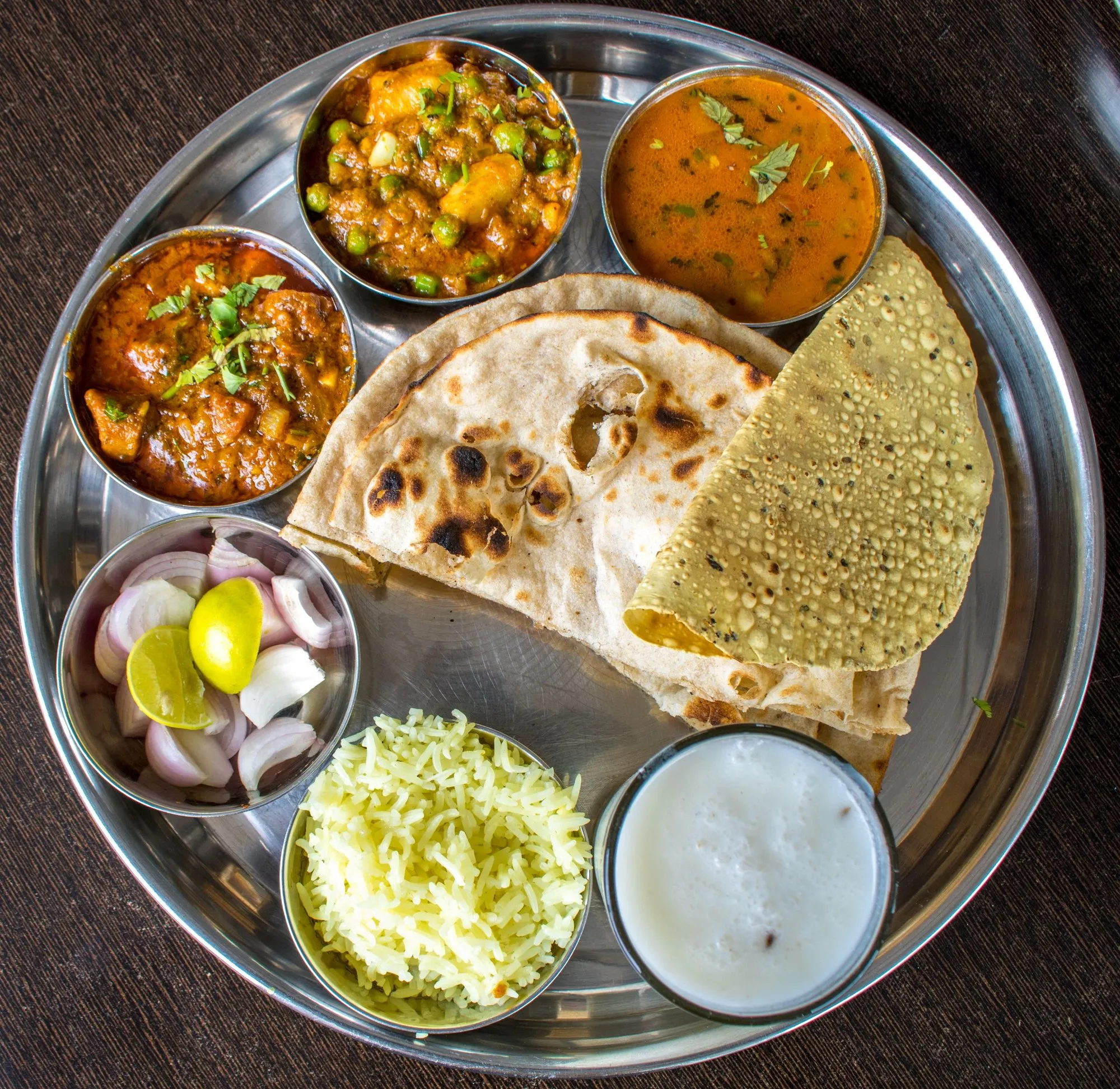
A cycle menu for hospitals is a set of daily menus planned for a fixed period, for example 7, 14 or 21 days, that repeats when the period ends. It gives the kitchen predictable purchasing and prep, gives dietitians one menu to check instead of a new one every week, and gives patients variety during their stay. Planning one well means matching the cycle length to how long patients stay, building each day around balanced meals, and deriving therapeutic diets from the same base.
What a cycle menu is, and the alternatives
The British Dietetic Association’s Nutrition and Hydration Digest describes three menu types for healthcare food service:
| Menu type | How it works | Where it fits |
|---|---|---|
| Cyclical | Different meal options for each day of the cycle, typically 1 to 4 weeks, repeated at the end of the cycle | Can be used in acute settings, but most common where patients stay longer |
| À la carte | An extended list of options that stays the same every day | Mostly used in acute, short-stay settings; can cause menu fatigue for longer-stay patients |
| Hybrid | A fixed daily list plus a rotating cycle of daily specials | Reduces menu fatigue for longer-stay patients while keeping choice at each meal |
Whatever the format, a hospital food menu has two jobs at once: feed patients well enough that they actually eat, and respect every diet order. Where the kitchen cooks fresh every day, a cycle menu or a hybrid is usually the workable choice, because a long à la carte list is hard to cook fresh at scale. The cycle fixes what is cooked on each day, so purchasing, prep and the diet list can be planned once and reused. For a short definition, see our glossary entry on the cycle menu.
The BDA is also clear about who plans it: menu planning needs a multidisciplinary team, with representatives from catering, dietetics and nursing. NHS England’s national standards for healthcare food and drink say the same about standard and specialist menus, which should be planned jointly by food service dietitians and caterers.
Step 1: Start with your patients
Before choosing a single dish, gather four facts:
- Length of stay by ward. The longer patients stay, the longer the cycle has to be before they see a repeat. The BDA advises considering the risk of menu fatigue in the early stages of planning.
- The diet mix. Pull a few weeks of diet census: how many patients are on a regular diet, and how many on each therapeutic diet, such as diabetic, low salt, soft, liquid or renal.
- Food habits. Vegetarian, Jain, egg and non-vegetarian patients; rice or roti as the staple; regional cuisine; fasting days. The ESPEN guideline on hospital nutrition recommends taking religious beliefs and food preferences into account when offering menu choices.
- Who else the kitchen feeds. Attendee and staff menus can share base dishes with the patient menu, but they are separate menus with separate prices.
Step 2: Fix the meal pattern
Decide the meal slots first, then what each slot contains. A full day might run from early morning tea and breakfast through a mid-morning item, lunch and evening tea to dinner and a bedtime drink. ESPEN recommends systematic between-meal snacks as part of the standard hospital food service, and cites a pattern of three meals and three snacks (7:30 am, 10 am, noon, 3 pm, 7 pm and 10 pm) that keeps the overnight gap for older patients under 10 hours.
Then write a template for each slot. For lunch, that might be a cereal, a dal or pulse dish, a vegetable, and curd or salad. The template keeps every day of the cycle balanced even when the dishes change.
Step 3: Choose the cycle length
Set the cycle longer than the typical stay:
- 7-day cycle menu. Suits short stays and lines up with weekly purchasing and staff rosters. The limitation is that each weekday always serves the same meal.
- 14 or 21-day cycle. Suits long-stay wards such as rehabilitation, where a patient would otherwise see the same lunch every week.
- Hybrid. A small fixed list available every day (khichdi, curd rice, dalia) plus the rotating cycle. This gives long-stay patients an escape from the rotation without adding much work.
Step 4: Build the regular menu
Build the regular (non-therapeutic) menu first, because most therapeutic versions will be derived from it.
For balance across the day, the ICMR-National Institute of Nutrition’s My Plate for the Day is a useful check. It recommends sourcing nutrients from a minimum of 10 food groups, with vegetables, fruits, green leafy vegetables, tubers and roots forming essentially half of the plate per day, and cereals and millets taking most of the rest, followed by pulses, nuts and oils. It is a guide for healthy people, not a patient prescription, but it is a fair test of whether a regular-diet cycle has enough variety.
Practical rules for the diet kitchen:
- Rotate the cereal (rice, phulka, millet roti), the pulse (moong, masoor, toor, chana, rajma) and the vegetables, and plan seasonal swaps in advance.
- Put green leafy vegetables on the menu several times a week.
- Never serve the same dal or vegetable twice in one day.
- Keep fried items rare and balance colors and textures on the plate.
- Choose dishes that hold well on a trolley between the kitchen and the ward.
- Spread the prep load, so one station is not overloaded on the same day every week.
- Offer choice. ESPEN recommends at least two menu choices for each main meal, lunch and dinner.
Example: a 7-day Indian hospital menu for lunch (regular diet)
The table below is an illustration only. It shows a lunch cycle for adults on a regular hospital diet with no restrictions. It is not medical advice or a meal plan for any patient: portions, textures, salt and therapeutic versions are set by the treating doctor and your dietitians.
| Day | Cereal | Dal or pulse | Vegetable | Side | Second choice |
|---|---|---|---|---|---|
| 1 | Phulka, steamed rice | Moong dal | Lauki (bottle gourd) sabzi | Curd, cucumber salad | Vegetable khichdi |
| 2 | Phulka, jeera rice | Masoor dal | Mixed vegetables (carrot, beans, peas) | Buttermilk, carrot salad | Curd rice |
| 3 | Jowar or bajra roti, steamed rice | Toor dal | Aloo palak | Curd | Vegetable dalia |
| 4 | Phulka, vegetable pulao | Rajma | Tinda (round gourd) sabzi | Cucumber raita | Moong dal khichdi |
| 5 | Phulka, steamed rice | Chana dal | Cabbage and peas | Buttermilk, beetroot salad | Palak khichdi |
| 6 | Phulka, steamed rice | Kadhi (gram flour and curd) | Bhindi (okra) sabzi | Onion and tomato salad | Sambar rice |
| 7 | Phulka, peas pulao | Chole (chickpeas, mildly spiced) | Kaddu (pumpkin) sabzi | Curd, seasonal fruit | Lemon rice, curd |
Adapt the dishes to your region. A South Indian kitchen might rotate sambar, rasam, kootu and poriyal instead; a hospital that serves non-vegetarian food can add egg or fish on set days. Each dish should come with a standard recipe, a portion size and nutrient values, so the dietitian can check the cycle as a whole.
Step 5: Derive therapeutic diets from the same cycle
ESPEN recommends using therapeutic diets only when they are medically indicated, and notes that they are associated with underfeeding. Deriving them from the same dishes as the regular menu, rather than running a separate bland menu, keeps them closer to food patients want to eat.
- Code every dish for the diets it suits. NHS England’s standards say dietary coding should only be done by a registered dietitian qualified to review nutrition, allergen and ingredient data.
- Define the modification for each diet: cooked without added salt, a different portion or carbohydrate load for a consistent carbohydrate diet, or a softer or puréed texture to the level ordered, for example an IDDSI level.
- Tag allergens on every dish (milk, peanut, gluten and others), so those dishes can be kept away from patients with that allergy.
- Add separate dishes only where a diet cannot be met by modification, for example a clear liquid diet tray.
Step 6: Turn the cycle into purchasing and prep
A cycle menu pays off in the store and the kitchen. For each cycle day, you can write the purchase list, the prep sheet for each station and the expected production once, then scale by the day’s census. Forecast from the diet census and past uptake, not from the number of beds. At cut-off, the day’s orders become production tickets for each station, as described in our guide to the kitchen order ticket.
Step 7: Test, review and rotate
- Taste it first. Run a tasting with dietitians, nursing and kitchen staff before launch.
- Watch what comes back. Plate waste by dish shows you, faster than any survey, what patients will not eat.
- Ask patients. ESPEN recommends surveying patients and staff about hospital food at least once a year.
- Review on a schedule. Refresh the cycle seasonally, and re-evaluate the diets themselves periodically; ESPEN suggests every three to five years.
Common cycle menu mistakes
- A cycle shorter than a typical stay, so patients see the same lunch twice.
- The same dal at lunch and dinner.
- Fasting and festival days (Navratri, Ramzan, Ekadashi) left out of the plan.
- Therapeutic menus treated as an afterthought, bland and repetitive.
- No second choice at lunch or dinner.
- A printed cycle that the kitchen quietly changes when stock runs out, so the dietitian’s checks no longer match what is served.
How MedMeals handles cycle menus
MedMeals builds the cycle into the menu engine, so the menu the dietitian planned is the menu patients order from. In diet management, dietitians set up multi-day diet cycles across meal windows (breakfast, lunch, dinner and snacks), with calories, protein, carbohydrates, sodium and more stored on every item. Each therapeutic diet carries rules that decide which items a patient can see, and allergies and intolerances are hidden automatically, so every patient’s menu is compliant on every ordering channel.
Attendees get their own paid menus, separate from the patient cycle. Reports and analytics show consumption, forecast versus actual, and waste and cost trends, so you can see which days of the cycle are working. If you plan menus for a living, see MedMeals for dietitians, or book a demo and bring your current cycle.
Sources
- British Dietetic Association: The Nutrition and Hydration Digest, 3rd edition, Chapter 9: Menu planning and design
- ESPEN guideline on hospital nutrition (Thibault et al., Clinical Nutrition, 2021)
- ICMR-National Institute of Nutrition: Policy brief, promotion of My Plate for the Day
- NHS England: National standards for healthcare food and drink (November 2022)
This guide is general information for hospital teams and is not medical advice. Diets are prescribed and adjusted by the treating doctor or a qualified dietitian.