Hospital food service management: how patient meals get from diet order to bedside
A patient's meal passes through many hands between the diet order and the tray. This guide walks through each step of hospital food service management, the service models hospitals use, who owns what, and how to measure it.
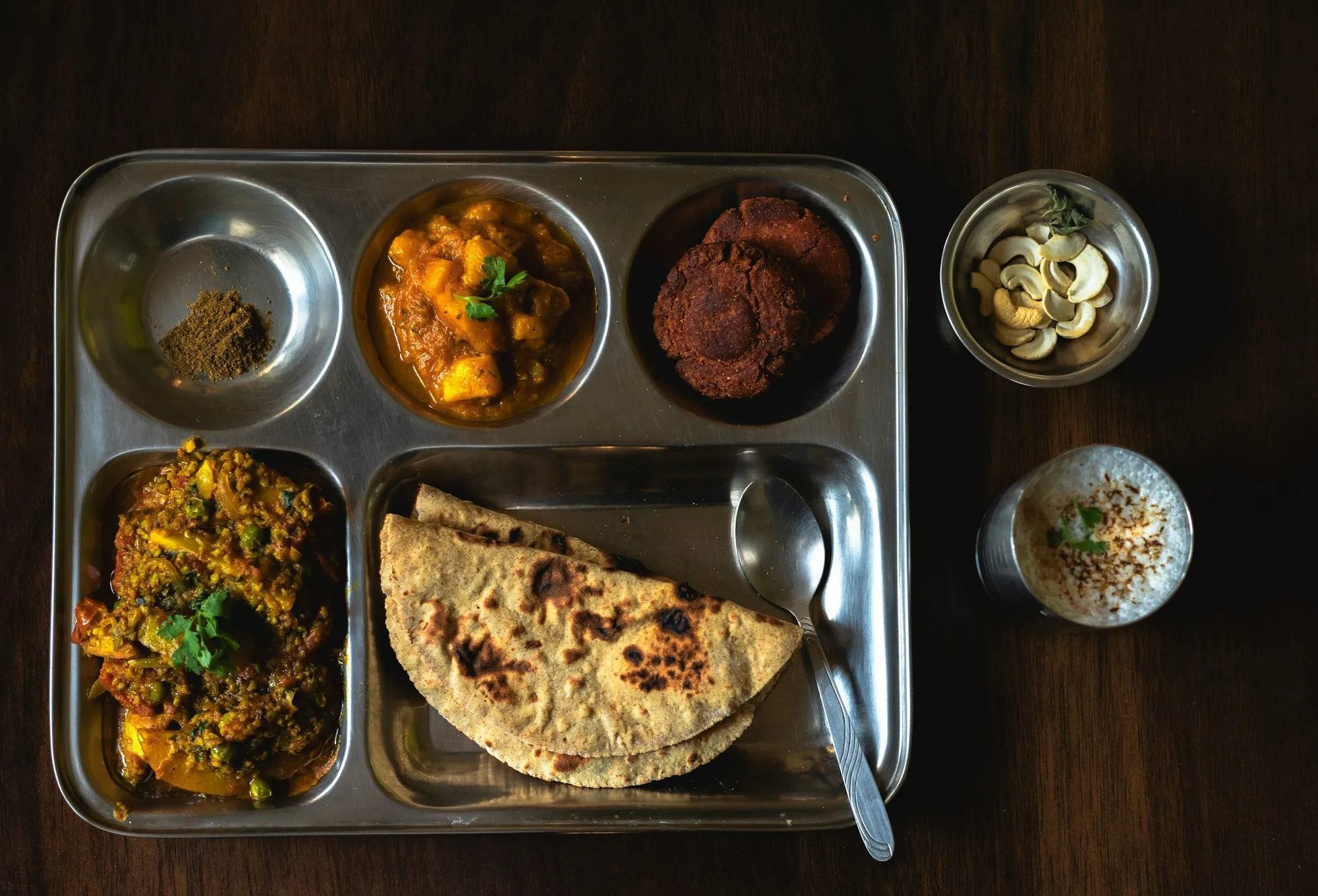
Hospital food service management is the planning and control of everything that turns a diet order into the right meal, at the right bed, on time, with proof that it happened. It spans diets and menus, order taking on the wards, production in the kitchen, tray assembly, delivery, tray clearance, billing and reporting. Because hospital food is part of treatment, every step needs a clinical check as well as an operational one.
Why patient meal service is different
The ESPEN guideline on hospital nutrition puts it plainly: “Hospital food should be considered as part of medical treatment.” The same guideline notes that malnutrition affects 30 to 50% of adults admitted to hospital, and that therapeutic diets such as low salt, gluten-free or texture-modified diets are associated with underfeeding and a higher risk of malnutrition. A food service that gets the diet right but the intake wrong has still failed the patient.
Hospital kitchens also work under constraints a restaurant never sees:
- Every patient has a diet order, and many also have allergies, textures or holds such as NPO.
- Meals run to fixed windows that have to fit around rounds, scans and surgery.
- Patients move beds and wards, and diets change in the middle of the day.
- In Indian hospitals, family members staying with patients (attendees) need their own meals, usually paid for separately.
- Charges split between the patient’s final bill, attendee payments and hospital packages.
- The kitchen is a licensed food business. FSSAI’s hygiene schedule for catering and food service names hospital catering explicitly.
The hospital food service system, step by step
Whatever its size, a hospital food service system moves each meal through broadly the same eight steps. The table shows who owns each one and where it tends to break.
| Step | Who owns it | What comes out | What goes wrong |
|---|---|---|---|
| 1. Diet order | Treating doctor, dietitian | A diet on the patient record | Verbal orders, diets copied between registers |
| 2. Menu | Dietitian, kitchen | A menu that fits each diet | Menus that ignore the diet, or offer no choice |
| 3. Order taking | Ward staff, patient, family | An order per patient and meal slot | Orders against the wrong diet, missed cut-offs |
| 4. Production | Kitchen | Consolidated KOTs, cooked batches | Late changes that never reach the cook |
| 5. Tray assembly | Kitchen | A checked tray and meal card per patient | Wrong texture, an allergen on the tray |
| 6. Delivery | Delivery staff, nursing | The tray at the right bed | A tray at an empty bed after a transfer |
| 7. Clearance and intake | Delivery staff, nursing, dietitian | What was eaten and what came back | Nobody records intake or waste |
| 8. Billing and reporting | Billing, F&B, management | Invoices and reports | Unbilled attendee meals, no data for audits |
1. Admission and the diet order
At admission, the ward, bed and patient details come from the admission desk or the hospital information system. The treating doctor orders the diet, the dietitian screens the patient and, where needed, assesses them and plans the therapeutic diet, and allergies are recorded. ESPEN recommends that hospital food be prescribed through the computerized patient record, the same way drugs are, and that each patient’s hospital nutrition be re-evaluated every three to five days.
2. Menus that fit the diet
The kitchen needs a menu for every diet the hospital offers. A common approach is a cycle menu: a set of daily menus that repeats on a fixed rotation, from which each therapeutic version is derived (see our guide to planning a hospital cycle menu). ESPEN recommends at least two menu choices at lunch and dinner, and asks hospitals to take religious beliefs and food preferences into account.
3. Taking the order: where patient meal service starts
Orders arrive through four doors. Ward staff take bedside orders on rounds (RSOT, room service order taking), patients or families order in advance, attendees order their own meals, and administrators place or adjust orders for whole wards. Each meal slot needs a cut-off time that the kitchen can actually produce against.
This is where most diet errors start or stop. NHS England’s national standards for healthcare food and drink state that every hospital must implement a digital meal ordering system, and that menus should be tailored so patients only see what is safe and suitable for their diet. See how that works in bedside meal ordering.
4. Consolidation and production
At cut-off, orders are consolidated into kitchen order tickets for each station and meal slot, and the diet kitchen cooks therapeutic preparations alongside the regular menu. How food is produced varies: some kitchens cook and serve the same day, others cook ahead, chill or freeze, and reheat close to service. ESPEN notes that small hospitals and care centers without their own kitchen are supplied by a catering system, and that a hospital’s central kitchen can supply several sites. If a caterer runs your kitchen, the same pipeline has to work across the contract, which is the job of hospital catering software.
5. Tray assembly and checking
Each tray is built against a meal card for one patient and one meal slot. The checker confirms the diet, the texture, the allergy line and the patient identifiers before the lid goes on. This is the last point where the kitchen can catch its own mistake, so it deserves a named person, not whoever is free.
6. Delivery at the bedside
Trays travel to the wards in covered trolleys, with hot food kept hot and cold food kept cold. At the bed, the delivery person matches the tray to the patient, not just to the bed number, because patients move. ESPEN also recommends protected mealtimes: a 2023 review in Nutrients describes them as periods when non-urgent clinical activity on the ward stops, so patients can eat without interruption and staff can help those who need it.
7. Clearance and intake
When the tray comes back, what is left on it is data. ESPEN recommends monitoring food intake at least weekly for patients with no nutritional risk and daily for patients at risk or malnourished. NHS England’s standards require organizations to monitor, manage and actively reduce food waste from production waste, plate waste and unserved meals.
8. Billing and reporting
Patient meals may be covered by the room tariff or a package, or charged per meal to the final bill. Attendee meals are usually paid at the point of order or added to the patient’s bill, depending on hospital policy. Reports close the loop: meals served by ward and diet, diet compliance, forecast versus actual, waste and cost. ESPEN recommends surveying patients and staff about hospital food at least once a year.
Service models: how food reaches the ward
Hospitals choose how food meets the patient, and one hospital can run different models on different wards. The bulk trolley and room service definitions below follow the systematic review by Rinninella and colleagues.
| Model | How it works | What to watch |
|---|---|---|
| Centralized tray service | Trays are plated and checked in the main kitchen, then sent to wards in trolleys | One strong checkpoint, but food waits longer between plating and eating |
| Ward pantry | Food goes to the ward in bulk and is plated in a ward pantry | Food can be served closer to the patient, but every pantry becomes a hygiene and diet-check point |
| Bulk trolley | Patients choose food and portion size from a trolley at the bedside | Real choice, but the diet check moves to the trolley |
| Room service | Patients order from an à la carte menu and eat within 45 minutes of ordering | The most choice, but it needs ordering technology and a fast kitchen |
The review concluded that personalizing meals, in texture, presentation and efficient room service, appears to help both nutritional intake and food waste, and that dietitians have a central role in making it work.
Who does what in food service management in hospitals
ESPEN recommends clear responsibilities for food production and delivery across the ward, the kitchen and delivery, and at least one dietitian working with the kitchen to set up menus for the diets the hospital offers.
| Role | Responsibility in the meal chain |
|---|---|
| Treating doctor | Orders the diet and approves changes |
| Dietitian | Screens and assesses, plans therapeutic diets, maintains the diet list and menus |
| Nursing | Flags NPO, procedures and transfers, supports patients at mealtimes, reports refusals |
| Kitchen and F&B team | Produces to the KOT, assembles trays against meal cards, keeps food safe |
| Delivery staff | Delivers to the right patient, clears trays, reports what came back |
| Billing | Charges patients and attendees correctly |
| Quality team and management | Runs audits, tracks indicators and keeps NABH evidence ready |
Measuring hospital food service
A short list of indicators tells you more than a long one nobody reads:
- On-time delivery by meal slot and ward.
- Wrong-diet and allergen incidents, with zero as the only acceptable target.
- Time from a diet change to the kitchen acting on it.
- Plate waste and unserved meals.
- Patient satisfaction with food.
- Cost per patient day, split into food and labor.
- Attendee meals billed versus attendee meals cooked.
Collecting these on paper is slow, which is one reason hospitals move ordering to screens. A 2020 systematic review of five studies found that electronic bedside meal ordering improved dietary intake, patient satisfaction, plate waste and costs compared with traditional paper menus, while noting that the research base is still small.
How MedMeals runs the pipeline
MedMeals digitizes this whole chain on one platform, with one patient record, one menu engine and one order pipeline:
- Diet orders on the IPD record. Patients are onboarded manually or through HIMS integration, with dietitian assignment and diet setup. In IPD patient management, the diet profile follows the patient across bed and ward transfers.
- A menu engine that enforces the diet. Nutrients per item, therapeutic diets, multi-day diet cycles and meal windows. Items that break a patient’s diet or contain their allergens are hidden, so they cannot be ordered.
- Four ordering channels, one queue. RSOT on ward rounds, attendee self-ordering, online ordering by families and admin ordering all land in the same dashboard.
- Kitchen operations. Daily meal cards per patient and slot, consolidated KOTs routed to the right station, and a live queue in kitchen management.
- Verified delivery. A QR code on every order, a delivery OTP at handover and a second OTP at tray clearance, with statuses pushed live through tray tracking.
- Billing and reports. Itemized invoices per patient, attendee or department through billing and invoicing, plus consumption, diet compliance, forecast versus actual, and waste and cost trends in reports and analytics.
The outcome is fewer meal-service errors, automated meal cards, KOTs and billing, and a complete digital audit trail. Read more about hospital F&B management or the view for food service operators, and book a demo to map your own wards.
Sources
- ESPEN guideline on hospital nutrition (Thibault et al., Clinical Nutrition, 2021)
- NHS England: National standards for healthcare food and drink (November 2022)
- MacKenzie-Shalders et al. Impact of electronic bedside meal ordering systems on dietary intake, patient satisfaction, plate waste and costs: a systematic literature review (Nutrition and Dietetics, 2020)
- Rinninella et al. Hospital services to improve nutritional intake and reduce food waste: a systematic review (Nutrients, 2023)
- FSSAI: Food Safety and Standards (Licensing and Registration of Food Businesses) Regulations, 2011 (compendium)
This guide is general information for hospital teams and is not medical advice. Diets are prescribed and adjusted by the treating doctor or a qualified dietitian.